




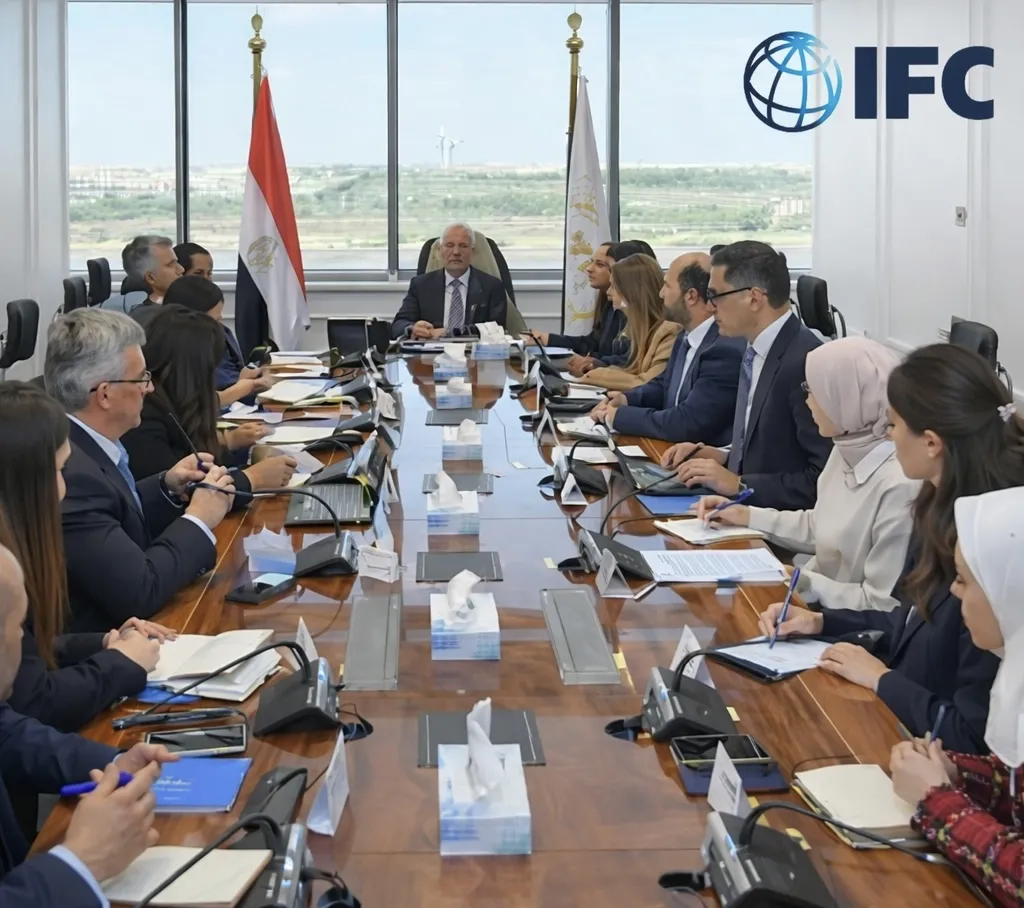
Egypt is accelerating efforts to transform its investment landscape through a data-driven reform agenda, following high-level talks between the Ministry of Investment and Foreign Trade and the International Finance Corporation (IFC).
The meeting, led by Investment Minister Mohamed Farid Saleh, focused on building a modern investment system designed to boost global competitiveness and attract high-quality, sustainable investments.
Data at the Core of Investment Strategy
Central to the reforms is the rollout of a structured framework powered by key performance indicators (KPIs), real-time metrics, and integrated data dashboards. The system will track critical indicators such as foreign direct investment inflows, new business registrations, and growth in strategic sectors on a monthly basis.
According to the ministry, the initiative aims to improve transparency, strengthen decision-making, and enhance oversight of import and export activities through upgraded national databases and advanced analytics.
Boost for Startups and Sustainable Financing
A major pillar of the strategy is the creation of professional investment funds to support startups and innovation-driven businesses. These funds will not only provide capital but also involve international partners as strategic contributors in project selection and performance monitoring.
The move is expected to strengthen Egypt’s entrepreneurial ecosystem while attracting foreign expertise and long-term investment.
Tapping Green Investment Opportunities
Officials also highlighted plans to expand Egypt’s carbon market as part of efforts to draw green investments. Proposed measures include scaling carbon trading mechanisms, promoting renewable energy certificates, and linking environmental initiatives to community development projects.
Revenue generated from carbon-related activities is expected to support small-scale agricultural and environmental programmes, delivering both economic and social impact while reducing emissions.
Digital Transformation and Trade Innovation
Digital transformation remains a key focus, with plans underway to introduce a TradeTech Sandbox—a regulatory innovation platform that leverages financial technology, big data, and advanced analytics to modernise foreign trade.
The platform will integrate data from multiple government and international sources, enabling more precise market insights and identifying new export and investment opportunities. Artificial intelligence startups are also expected to play a role in developing data-driven tools for stakeholders.
Strengthening Capacity and Global Partnerships
The ministry is also prioritising stakeholder mapping to better align investment opportunities with market demand, alongside efforts to build human capital within government institutions to improve service delivery and investment management.
Reaffirming Egypt’s commitment to international collaboration, Saleh said the country is pursuing an integrated vision centred on transparency, digital transformation, and institutional capacity building.
The partnership with the IFC underscores Egypt’s ambition to position itself as a competitive investment destination, while driving sustainable economic growth and expanding its global trade footprint.