





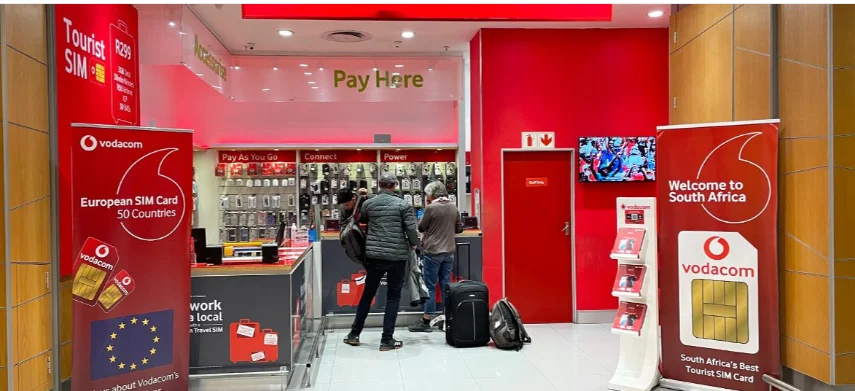
Vodacom Group has opened discussions with the Kenyan government to acquire a portion of its 34.9% shareholding in Safaricom, East Africa’s most valuable telecom operator. The South African telco already owns nearly 40% of Safaricom and is evaluating ways to increase its ownership. Talks remain preliminary, and no final agreement has been reached.
At this stage, Vodacom, Safaricom, and the National Treasury of Kenya have all declined to comment publicly on the negotiations.
Safaricom’s Market Strength and Economic Importance
Safaricom maintains its position as Kenya’s leading mobile operator, holding around two-thirds of the country’s mobile market. With a market value of about 1.19 trillion Kenyan shillings (approximately $8.9 billion), it is one of the most influential companies in the region.
The Kenyan government is weighing a partial sale of its shares as part of its plan to:
- Boost national revenue
- Manage increasing public debt
- Narrow fiscal deficits
Letting go of part of its profitable stake could deliver a significant one-time financial boost, helping ease budget pressures.
Vodacom’s Push for More Influence Over M-Pesa
Increasing its shareholding would allow Vodacom to consolidate its role in overseeing M-Pesa, the continent’s largest mobile money service. M-Pesa provides essential financial services, payments, transfers, and microloans, to millions across East Africa.
A higher ownership stake would help Vodacom:
- Broaden M-Pesa’s footprint across Africa
- Speed up innovation in digital financial products
- Strengthen its long-term fintech presence
- Gain more strategic control over the platform
Vodacom has been pursuing this path for years. In 2017, it expanded its Safaricom stake through a share swap with its parent company, Vodafone, giving it more operational influence.
Following recent comments by Kenya’s Treasury Secretary John Mbadi on potentially dividing Safaricom into three units, Vodacom emphasised that M-Pesa will not be separated, underscoring its importance to the group’s strategy.
Potential Challenges and Regulatory Considerations
Although selling part of its holding may provide Kenya with immediate fiscal relief, it would also mean reduced direct control over a national economic pillar. Any transfer of shares would undergo strict regulatory assessment to ensure it aligns with:
- Ownership and foreign investment regulations
- Competition policies
- Market protection standards
For Vodacom, taking on a larger stake would require navigating increased operational responsibilities while managing investor expectations. The acquisition could affect:
- Safaricom’s stock performance
- Market confidence
- Its pace of expansion across East Africa