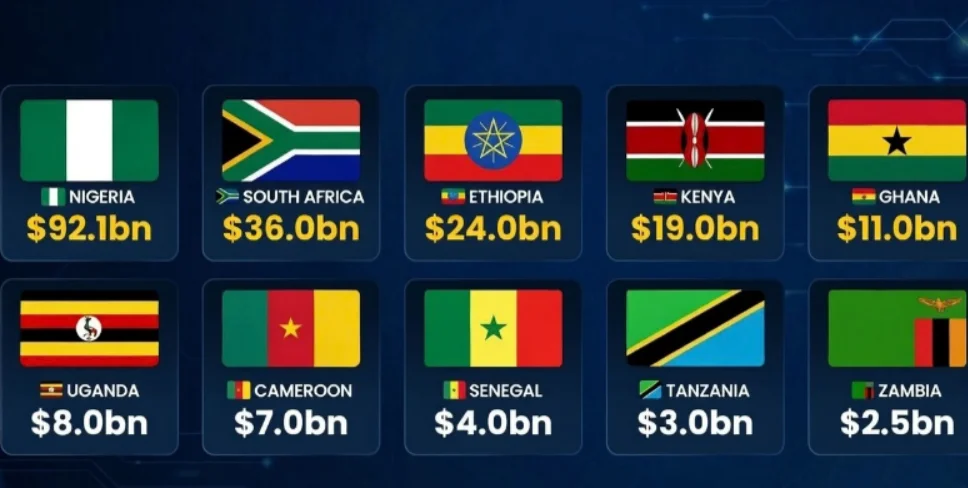






Nigeria’s cryptocurrency market is powered largely by two major instruments, USDT and USDC. These dollar-pegged stablecoins dominate trading volumes, enable swift cross-border payments, and protect users from naira depreciation. Yet beneath their convenience lies a deeper systemic issue: each purchase of a foreign stablecoin sends Nigerian capital into foreign financial markets.
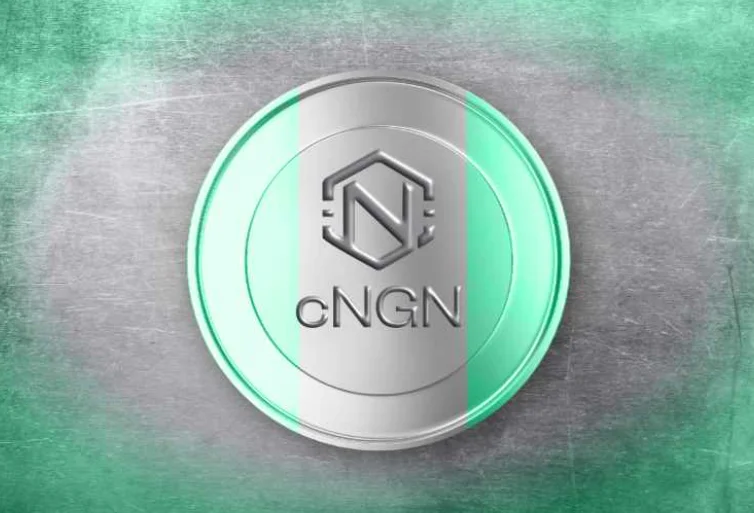
This creates a long-term disintermediation risk, as domestic liquidity steadily drains offshore. To address this challenge, Nigeria has introduced cNGN, a fully regulated naira-pegged digital currency designed to keep value within the country’s financial ecosystem.
A Homegrown Stablecoin Designed for Local Needs
Unlike foreign stablecoins backed by U.S.–based assets, cNGN is entirely supported by Nigerian financial instruments, ensuring a 1:1 backing with Naira reserves, local bank deposits, and government securities.
As of November 24, the cNGN ecosystem reports:
- 723.2 million tokens in circulation
- Over 158,894 on-chain transactions
- More than 46.5 billion cNGN in trading volume
Nigeria recorded over $92 billion in on-chain activity from mid-2024 to mid-2025, with most of that volume channelled through foreign stablecoins. While effective for users, these flows divert capital away from Nigeria’s banking sector, money markets, and treasury instruments.
Why a Ban on Dollar Stablecoins Won’t Work
USDT and USDC are too integral to global commerce to simply prohibit. Their liquidity, universal acceptance, and ease of use make them indispensable for businesses and individuals.
A more practical approach is to offer a viable domestic alternative, a blockchain-based naira that enhances local financial activity without attempting to replace the dollar internationally.
The Case for a Blockchain-Enabled Naira
The naira powers everyday transactions. Tokenizing it on-chain makes the currency:
- Programmable for automated payments
- Traceable for compliance
- Compatible with smart contracts and DeFi tools
This allows Nigerians to access digital investments, lending markets, and fintech services without converting to dollars, lowering friction and enabling broader financial participation. It combines crypto-level efficiency with the assurance of the regulated banking system.
The Reserve Model: cNGN’s Core Advantage
The biggest differentiator for cNGN is its onshore reserve structure, which contributes directly to Nigeria’s financial stability.
1. Boosts liquidity in Nigerian banks
cNGN reserves remain inside local commercial banks, increasing liquidity and supporting credit creation, unlike foreign stablecoins that pull funds offshore.
2. Supports government borrowing needs
Part of the cNGN reserves is invested in Nigerian Treasury Bills and regulated money-market funds, helping maintain stable demand for government securities.
3. Limits capital flight
Since all collateral stays within Nigeria, the domestic financial system benefits from increased stability and circulating liquidity.
This approach ties growth in digital transactions to Nigeria’s own economic strength, rather than to foreign debt markets.
Growing Use Cases in Nigeria’s On-Chain Finance
Beyond payments and transfers, cNGN is being integrated into real financial products. For example:
- Users can invest in a cNGN-based money market fund through Xend Finance, with yields reaching 20.25% annually.
This signals the beginning of a broader on-chain financial ecosystem powered by local currency.
Trust and Regulation Will Shape cNGN’s Future
To scale effectively, cNGN must build trust through:
- Consistent and transparent reserve reporting
- Prudent asset management
- Regulation that enables innovation while mitigating systemic risks
If managed well, cNGN could become a foundational element of Nigeria’s digital economy, reducing capital outflows, strengthening the naira, and anchoring digital growth to the local financial system