






The Federal Executive Council (FEC) has approved the installation of 4,000 additional telecom towers nationwide, marking a major step in expanding digital connectivity to underserved and unserved regions.
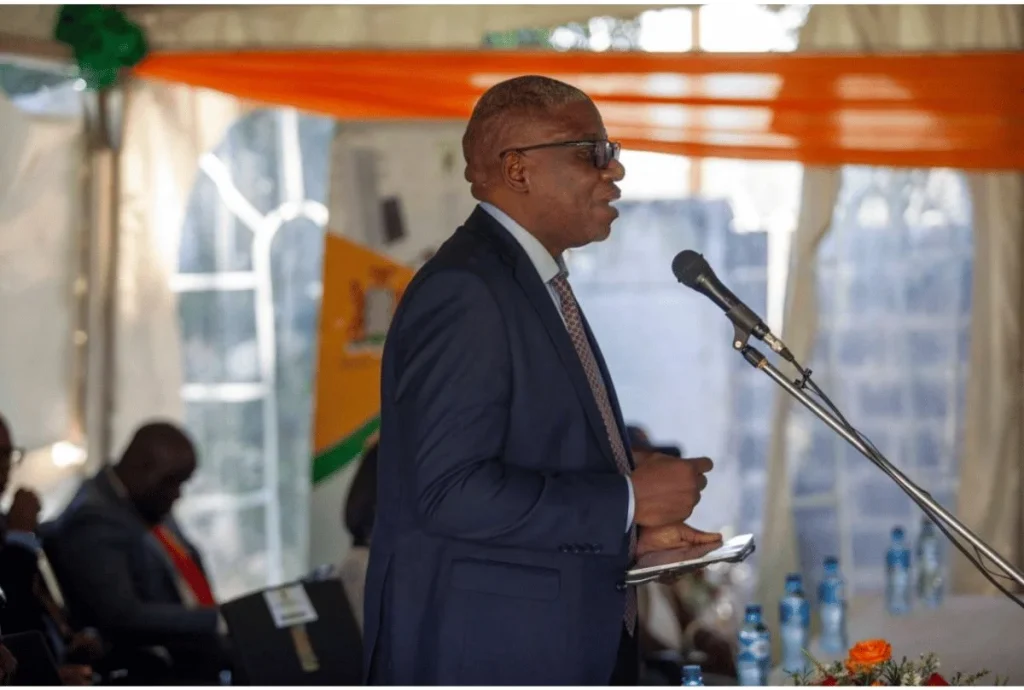
The approval was made public on Wednesday following a council meeting chaired by President Bola Tinubu, according to the Minister of Information and National Orientation, Muhammed Idris.
A Joint Push to Bridge Nigeria’s Connectivity Gap
Idris explained that the project was endorsed after a joint submission by the Ministry of Digital Communications and the Ministry of Finance. The initiative is designed to accelerate digital inclusion and support agricultural mechanization through improved service access.
“FEC has granted approval to the Ministry of Digital Communications and the Ministry of Finance to establish service centres for agricultural mechanization and the digital economy, alongside deploying towers to underserved locations,” Idris stated.
The newly approved towers are expected to provide basic digital access to thousands of communities that currently lack reliable connectivity.
23 Million Nigerians Lack Reliable Digital Access
Quoting data from the Ministry of Communications and Digital Economy, Idris revealed that about 23 million Nigerians still live in areas without adequate digital coverage — a gap that limits communication, financial inclusion, education, and security operations.
He noted that the absence of connectivity continues to undermine economic growth and public safety in remote parts of the country. The new deployments, he said, will strengthen security efforts and improve commercial activities.
Broadband Penetration Still Below National Targets
While broadband penetration has gradually improved, Nigeria remains behind schedule on its national broadband goals.
- 2020: 39.85% penetration (75.4 million broadband subscriptions)
- 2023 target: 50%
- 2023 actual: 43.71%
- December 2024: 44.43%
- May 2025: 48.81% (105.8 million subscriptions)
These numbers show the country is still distant from its 70% broadband penetration target under the National Broadband Plan (NBP).
Infrastructure Expansion Still Faces Major Obstacles
Persistent structural issues continue to hinder telecom rollout across the country, including:
- High right-of-way charges imposed by state governments
- Multiple taxation affecting telecom operators
- Regulatory bottlenecks and restrictive state policies
- High costs of building infrastructure in remote or rural zones
Operators say these challenges significantly increase deployment costs and discourage expansion into low-income areas.
What the Initiative Means for Nigeria
The approval of 4,000 new towers marks one of the federal government’s most ambitious efforts to improve nationwide connectivity. Once fully deployed, the infrastructure is expected to enhance communication, strengthen security, support economic participation, and bring millions of Nigerians into the digital economy.