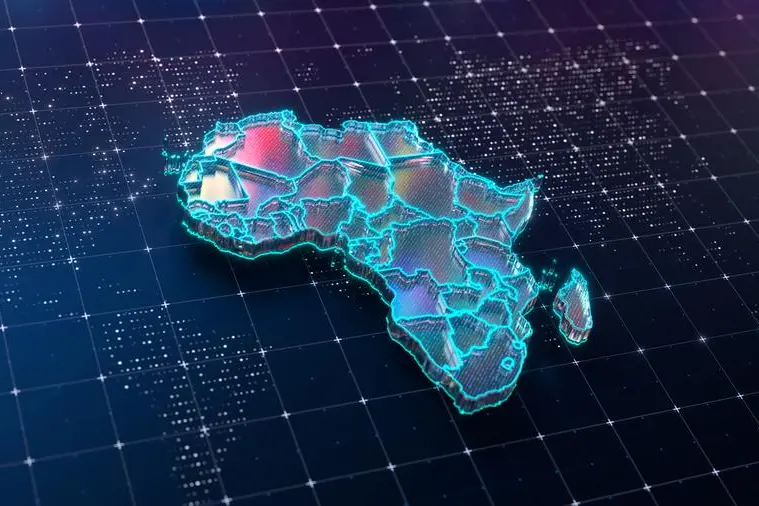






Africa’s startup funding ecosystem posted one of its most notable recoveries of 2025 in November, with startups raising a total of $589.9 million across 38 deals, according to market data.
Funding activity remained heavily skewed toward large transactions, as the top 10 startups secured $573 million, accounting for 97.14% of total capital raised. Meanwhile, the remaining 28 startups shared just $16.9 million, reinforcing the ongoing concentration of capital among a small group of mature and late-stage ventures.
IPO Activity and Energy Investments Fuel Monthly Growth
The November total represents a 29.7% increase month-on-month, up from $441.9 million raised across 59 deals in October 2025.
Despite fewer transactions, overall funding volumes jumped sharply, supported by:
- Two landmark IPOs
- Multiple large-ticket renewable energy deals
- Renewed investor interest in late-stage fintech companies
This trend reflects a cautious global investment climate, where capital is flowing selectively toward startups with proven scale, revenue visibility, and clearer exit prospects.
Funding Concentration Highlights Investor Selectivity
Only 10 of the 38 funded startups absorbed nearly all capital deployed during the month, underscoring a market dynamic that continues to favour:
- Established revenue models
- Infrastructure and clean-energy platforms
- Businesses with strong scalability and exit pathways
Early-stage companies and smaller funding rounds remain under pressure across most African markets.
Top-Funded African Startups in November 2025
BasiGo (Kenya)
- Amount: $5m
- Sector: Logistics & Transport
- Fund Type: Venture Round
- Investor: Proparco
BasiGo provides electric bus solutions for public transport operators in Kenya and Rwanda, with over 100 electric buses already deployed.
Jackfruit Network (Kenya)
- Amount: $5m
- Sector: Education & Jobs
- Fund Type: Debt
- Investors: TLG Capital, IDP Foundation
The funding will scale lending to affordable private schools across Kenya.
Plentify (Southern Africa)
- Amount: $5m
- Sector: Energy & Water
- Fund Type: Series A
Plentify uses AI-powered hardware and software to connect household appliances to cleaner and cheaper energy sources.
SwiftVEE (Southern Africa)
- Amount: $10m
- Sector: Agriculture & Food
- Fund Type: Series A
SwiftVEE digitises livestock trading, linking farmers, feedlots, buyers, and agents across regional markets.
Lula (Southern Africa)
- Amount: $10m
- Sector: Fintech
- Fund Type: Debt
- Investor: International Finance Corporation
The facility will expand working-capital access for MSMEs, with at least 80% directed to micro and small enterprises.
Omnisient (Southern Africa)
- Amount: $12.5m
- Sector: Deeptech
- Fund Type: Series A
- Investor: TransUnion
Omnisient provides privacy-safe, AI-driven data insights and is preparing for expansion into the U.S. market.
SolarX (West Africa)
- Amount: €15m ($17.3m)
- Sector: Energy & Water
- Fund Type: Debt
The funding will refinance commercial solar assets across four francophone West African countries.
nextProtein (North Africa)
- Amount: $20.7m
- Sector: Waste Management
- Fund Type: Series B
The round will finance the construction of the company’s largest insect-protein production facility.
SolarSaver (Southern Africa)
- Amount: $60m
- Sector: Energy & Water
- Fund Type: Venture Round
SolarSaver plans to expand affordable solar solutions for SMEs across Southern Africa.
CashPlus (North Africa)
- Amount: $82.5m
- Sector: Fintech
- Fund Type: IPO
CashPlus became the first fintech to list on the Casablanca Stock Exchange, valuing the company at approximately $550 million.
Optasia (Southern Africa)
- Amount: $345m
- Sector: Fintech
- Fund Type: IPO
Optasia’s Johannesburg Stock Exchange listing accounted for 58.48% of total funding in November and over 77% of Southern Africa’s funding volume.
Regional Funding Distribution
Southern Africa dominated startup funding in November:
- Southern Africa: $445.9m (75.59%)
- South Africa alone: $442.5m (75.01%)
IPO activity and renewable energy investments were the primary growth drivers.
Outlook for Africa’s Startup Ecosystem
November’s rebound signals that capital is still available for African startups, but increasingly concentrated. Late-stage fintech, clean energy, and infrastructure-focused companies continue to attract large cheques, while early-stage founders face a more challenging fundraising environment as 2026 approaches.