
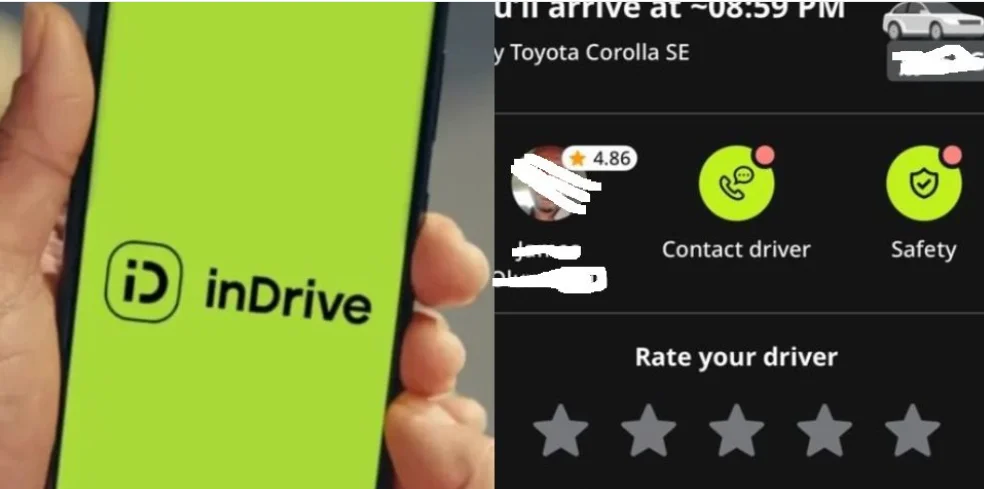
Users of the ride-hailing app inDrive may soon encounter advertisements while using the service. The company has confirmed plans to roll out in-app advertising across its top 20 global markets, according to a report from TechCrunch.
The initiative highlights inDrive’s push to unlock new revenue channels, deepen user engagement, and sustain growth in price-sensitive markets such as Nigeria, where ride commissions alone offer limited margins.
Moving Beyond Core Ride-Hailing
Although inDrive has yet to issue an official response through its Nigerian team, industry reports suggest the company is deliberately broadening its offerings beyond ride-hailing. This expansion forms part of a wider super app roadmap expected to mature by 2026.
inDrive has gained significant traction in Nigeria by adopting a fare-negotiation model, allowing riders and drivers to agree on prices rather than relying on fixed rates. This approach has helped the platform stand out in a market where affordability strongly influences consumer choice.
In an economy constrained by low purchasing power, the bidding model has positioned inDrive as a go-to option for cheaper rides, with drivers often competing to offer the lowest fares, reinforcing the company’s affordability-first philosophy.
Competition in Nigeria’s Mobility Landscape
Despite its growing footprint, inDrive operates in a highly competitive environment. It faces direct competition from established ride-hailing players such as Bolt.
Beyond app-based rivals, digital ride-hailing services also compete with traditional transportation options, including public buses, minibuses, tricycles, and motorcycles, which remain widely used due to their lower costs.
Since ride-hailing platforms typically do not own vehicles, their business models rely heavily on driver commissions, a structure that is particularly difficult to sustain in emerging markets like Nigeria.
Why Advertising Is Central to inDrive’s Strategy
The introduction of in-app advertising aligns with inDrive’s broader goal of building a multi-service super app, with added offerings such as grocery delivery designed to increase usage frequency in frontier markets.
Advertising presents a scalable, high-margin revenue opportunity that is not directly tied to ride volume. Even if per-user revenue remains modest in Nigeria, the country’s large and active user base could make advertising a meaningful income stream.
Likewise, grocery delivery, while not immediately lucrative, encourages users to open the app more often, creating additional touchpoints for ad engagement.
Combined, these efforts could help inDrive lessen its dependence on ride commissions while strengthening its overall platform ecosystem.
Where and When Ads Will Appear
According to inDrive’s Chief Growth Business Officer, Andries Smit, the company will initially focus on digital ad placements within the app.
The ads are expected to appear mainly:
- After a ride has been booked, during the waiting period
- While passengers are travelling to their destinations
These moments, Smit explained, tend to capture high user attention and engagement.
Although in-car and vehicle-based advertising remain part of inDrive’s long-term plans, the company intends to prioritise in-app ads through 2026. This decision reflects the operational challenges of physical advertising in emerging markets and the faster returns offered by digital formats.
User Sentiment and Privacy Questions
Despite the potential upside, the move may not be universally welcomed. Many users perceive ads as disruptive, especially on platforms they already pay to use. This could trigger negative feedback or prompt some riders to switch services.
Introducing an ad-free option could weaken the revenue strategy, particularly in a market where charging extra fees may not be viable.
Privacy is another concern. Users may question whether their personal data is being leveraged for targeted advertising. As of press time, inDrive has not provided detailed clarification on data usage policies or privacy safeguards related to the ad rollout.
A Critical Test for inDrive’s Super App Vision
The introduction of in-app advertising marks a pivotal moment for inDrive as it transitions from a ride-hailing service into a broader digital platform.
If carefully implemented, ads could boost revenues without increasing fares. If poorly handled, they risk alienating users in one of inDrive’s most competitive and cost-conscious markets.
Ultimately, how inDrive balances monetisation, user experience, and data privacy in Nigeria may determine whether this strategy fuels long-term growth or creates new challenges.