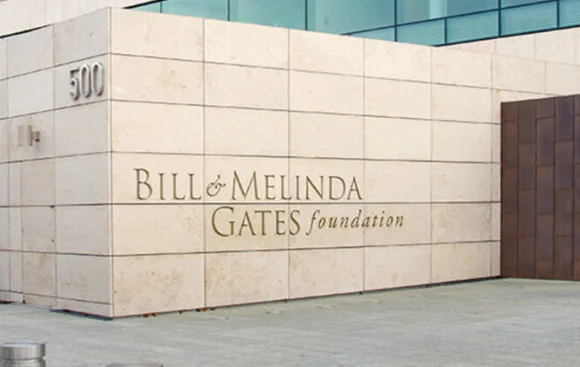
Bill & Melinda Gates Foundation and OpenAI have entered into a $50 million partnership to support the use of artificial intelligence in improving healthcare delivery across Africa.
The programme, branded Horizon1000, was announced on Tuesday and will kick off in Rwanda, with a phased expansion to other African nations in the coming years.
Project partners say Horizon1000 is expected to serve 1,000 clinics and nearby communities by 2028, targeting regions where access to quality primary healthcare remains limited.
AI as a Tool for Strengthening Primary Care
In a blog post outlining the initiative, Bill Gates said the collaboration is aimed at addressing long-standing challenges in African health systems, including shortages of medical personnel and overstretched facilities.
The foundation stressed that AI technologies introduced through Horizon1000 are intended to complement the work of frontline health workers, not replace them. Key focus areas include:
- Enhanced clinical decision support
- Improved management of patient records
- Greater operational efficiency at health clinics
By easing workloads and supporting faster, more accurate decision-making, the initiative aims to improve care quality and patient outcomes. AI as a Tool for Strengthening Primary Care
In a blog post outlining the initiative, Bill Gates said the collaboration is aimed at addressing long-standing challenges in African health systems, including shortages of medical personnel and overstretched facilities.
The foundation stressed that AI technologies introduced through Horizon1000 are intended to complement the work of frontline health workers, not replace them. Key focus areas include:
- Enhanced clinical decision support
- Improved management of patient records
- Greater operational efficiency at health clinics
By easing workloads and supporting faster, more accurate decision-making, the initiative aims to improve care quality and patient outcomes.
Stakeholders Highlight Responsible AI Use
Both organisations underscored the potential of AI to close healthcare gaps in low-resource settings when deployed responsibly.
“Artificial intelligence could help expand access to quality health care in places with too few doctors, nurses and clinics,” Bill Gates said.
The foundation added that the programme’s priority is to empower healthcare workers by improving diagnostics and simplifying patient care processes.
OpenAI said its contribution will centre on technical guidance and ethical deployment, ensuring AI systems are secure, transparent, and suitable for local healthcare environments.
Working With Governments and Local Health Institutions
Project leaders emphasised that Horizon1000 will rely heavily on partnerships with governments, ministries of health, and local medical institutions to ensure sustainable impact.
They noted that AI solutions must align with national health strategies and local realities to be effective, scalable, and trusted.
If successful, Horizon1000 could offer a blueprint for how advanced AI tools can be responsibly used to strengthen healthcare systems across Africa and other underserved regions.