
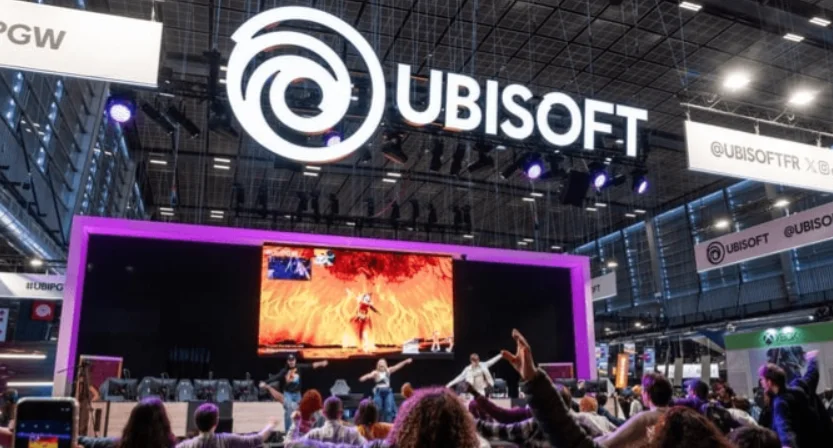
Major video game publisher Ubisoft has cancelled six in-development titles, among them the highly anticipated Prince of Persia: The Sands of Time Remake, as part of a broad strategic reset aimed at restoring stability.
The company also revealed plans to shut down studios in Sweden and Canada, while reworking timelines and scopes for several remaining projects. The moves come after a prolonged period of operational and financial strain.
Leadership Calls the Decision Difficult but Essential
Chief executive Yves Guillemot acknowledged that the cuts were difficult but said they were necessary to reposition the company in an increasingly competitive games industry.
According to Ubisoft, the changes are designed to reduce risk, control rising production costs, and direct investment toward titles with clearer long-term commercial potential.
Why the Prince of Persia Remake Didn’t Make the Cut
The decision to abandon the Prince of Persia remake surprised fans who had waited years for the revival of the classic 2003 action-adventure game.
However, the cancellation reflects a broader industry reality: high development costs and extended timelines have made nostalgia-driven projects far riskier. Publishers are now under pressure to justify investments with predictable returns, making revivals and experimental titles harder to greenlight.
Refocusing on Established Blockbuster Series
Rather than spreading resources across uncertain projects, Ubisoft says it will concentrate on franchises with a proven ability to generate sustained revenue, including:
- Assassin’s Creed
- Far Cry
- Rainbow Six
These series are central to the company’s strategy, particularly through large open-world releases and live-service models that support recurring engagement and monetisation.
Investors React With Caution
Financial markets responded negatively to the announcement, with Ubisoft’s share price falling sharply. The reaction suggests investor concern not only about the cancelled games, but also about the publisher’s long-term growth prospects in a challenging market.
The response mirrors broader uncertainty around whether traditional AAA development models remain sustainable as player habits shift and production budgets climb.
Job Losses Add to Industry-Wide Pressure
The closure of Ubisoft’s studios in Stockholm and Halifax is expected to lead to additional layoffs, adding to a growing wave of job losses across the global gaming sector.
Teams working on mobile games and early-stage concepts are among those affected, deepening concerns about job security and creative risk-taking within the industry.
Ubisoft’s Priorities Going Forward
Under its revised strategy, Ubisoft says it will focus on:
- Expansive open-world experiences
- Live-service games with ongoing content updates
- Growing existing franchises instead of launching new intellectual property
While the approach may improve financial discipline, it also raises questions about innovation and whether large publishers are becoming increasingly risk-averse.
A Sign of Deeper Industry Shifts
Ubisoft’s reset highlights the pressures reshaping the video game industry. As development becomes more expensive and competition for attention intensifies, publishers are narrowing their bets, often at the cost of creativity and legacy projects.
Whether this strategy restores long-term stability remains to be seen, but the cancellation of the Prince of Persia remake marks a symbolic moment in the changing economics of big-budget gaming.