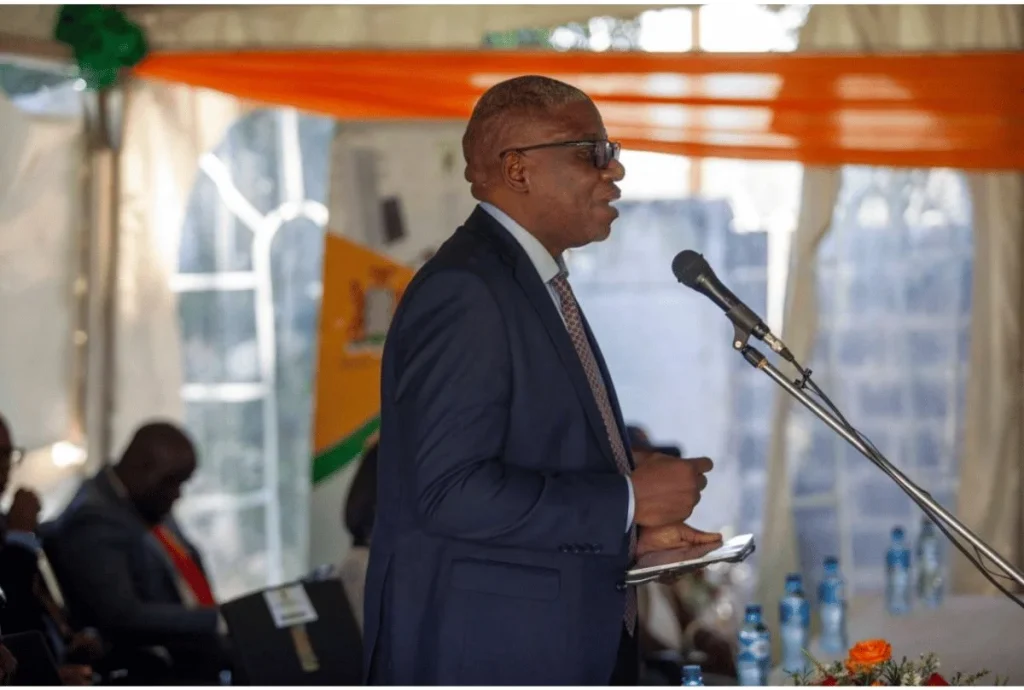






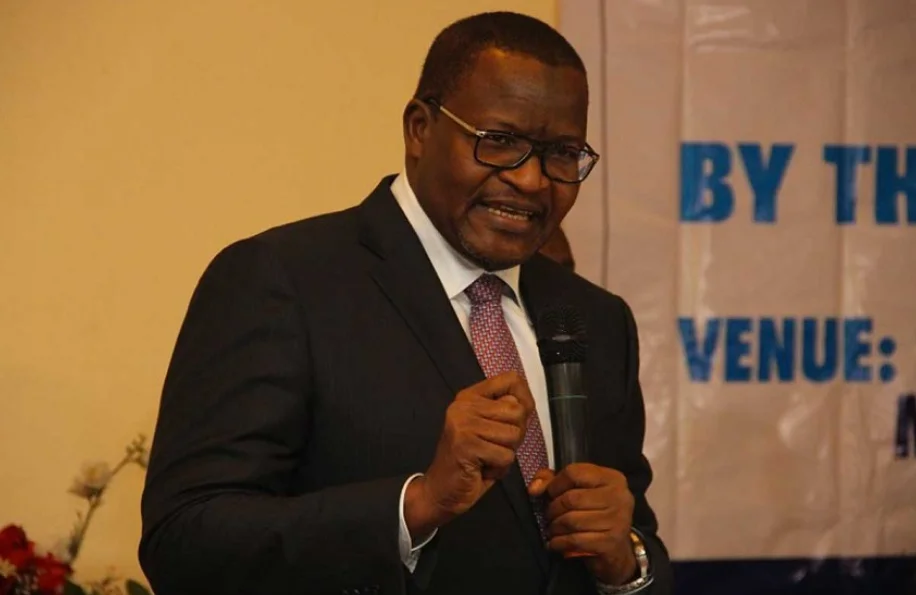
The Nigerian Communications Commission (NCC) has unveiled plans to deploy part of its Universal Service Provision Fund (USPF) to support satellite broadband operators, aiming to bridge the digital divide and connect an estimated 23 million Nigerians still offline, especially in rural and hard-to-reach communities. The announcement was made during the commission’s virtual presentation of the Q4 2025 Industry Performance Report.
LEO Satellite Networks to Enhance Coverage Where Terrestrial Networks Fall Short
NCC officials emphasised that Low Earth Orbit (LEO) satellites will be critical for extending broadband access in areas where traditional mobile networks face economic, geographic, and security challenges.
The commission plans to use USPF funds to subsidise satellite broadband in commercially unviable locations, ensuring that services remain affordable for rural populations rather than concentrated in urban centres.
“Satellite operators should prioritise regions where market forces alone cannot deliver affordable connectivity,” NCC officials said, noting that USPF incentives will be strictly tied to unserved and underserved areas.
Limitations of Terrestrial 4G and 5G Networks
While 4G and 5G networks continue to expand in Nigeria, the physics of mid-band 5G spectrum result in smaller coverage areas and higher rollout costs outside urban centres. Satellite broadband provides a complementary solution, enabling connectivity across:
- Remote villages
- Highways and transport corridors
- Difficult terrain
without requiring extensive ground infrastructure.
The NCC recently issued a landing permit to Amazon’s Project Kuiper and is actively engaging other satellite operators to explore Direct-to-Device (D2D) services, allowing phones to connect directly to satellites in areas with limited terrestrial coverage.
USPF’s Role in Digital Inclusion
The Universal Service Provision Fund (USPF), established under the Nigerian Communications Act No. 19 of 2003, aims to promote universal access to ICT services. Key interventions include:
- Subsidising rural and underserved telecom infrastructure
- Funding fibre-optic networks and base stations
- Supporting Digital Nigeria Centres and ICT skills programmes
- Promoting inclusion for vulnerable populations
By extending the USPF to satellite broadband, the NCC seeks to ensure that Nigeria’s offline population is brought into the digital economy.
Addressing Security and Infrastructure Challenges
The NCC acknowledged that network expansion in rural areas is hindered by:
- Vandalism and theft
- Fibre cuts
- Insecurity and regional instability
Telecom infrastructure has been classified as Critical National Information Infrastructure (CNII), with enforcement efforts in collaboration with federal security agencies.
The regulator noted that satellite broadband, low-band spectrum refarming, and improved infrastructure protection are vital to closing coverage gaps and ensuring service continuity nationwide.
Promoting Accurate Reporting and Public Engagement
The NCC urged media and stakeholders to rely on official performance reports when interpreting network coverage and technology adoption. The commission warned that small sample sizes, such as limited 5G subscribers, could lead to misinterpretation.
Officials reiterated their commitment to transparency, stakeholder consultation, and ongoing engagement as Nigeria works toward long-term broadband expansion and digital inclusion goals.