






The Zambia government has signed a Memorandum of Understanding with Obrizum Group Ltd to pilot the integration of artificial intelligence (AI) in the country’s education system.
The agreement, signed in Lusaka through the Ministry of Technology and Science Zambia, aims to introduce AI-driven learning technologies to improve the quality, accessibility and effectiveness of education, particularly in secondary schools and Technical Education, Vocational and Entrepreneurship Training (TEVET) institutions.
AI-powered learning tools for schools
Under the partnership, Obrizum Group will support the development and deployment of AI-powered learning platforms designed to enhance teaching and learning experiences across the education sector.
The pilot phase will initially target secondary school students, with plans to expand the programme to TEVET institutions where students and instructors will benefit from AI-supported training tools.
The initiative is expected to demonstrate how technology-enabled education can improve learning outcomes, increase efficiency, and better prepare students for the modern workforce.
Boosting digital learning and workforce readiness
Chief Executive Officer of Obrizum Group, Chibeza Agley, said the collaboration will introduce advanced AI-driven education technologies that support both students and educators.
According to him, digital learning platforms can improve student engagement, personalised instruction and skills development aligned with evolving global workforce demands.
Government backs AI-driven education reform
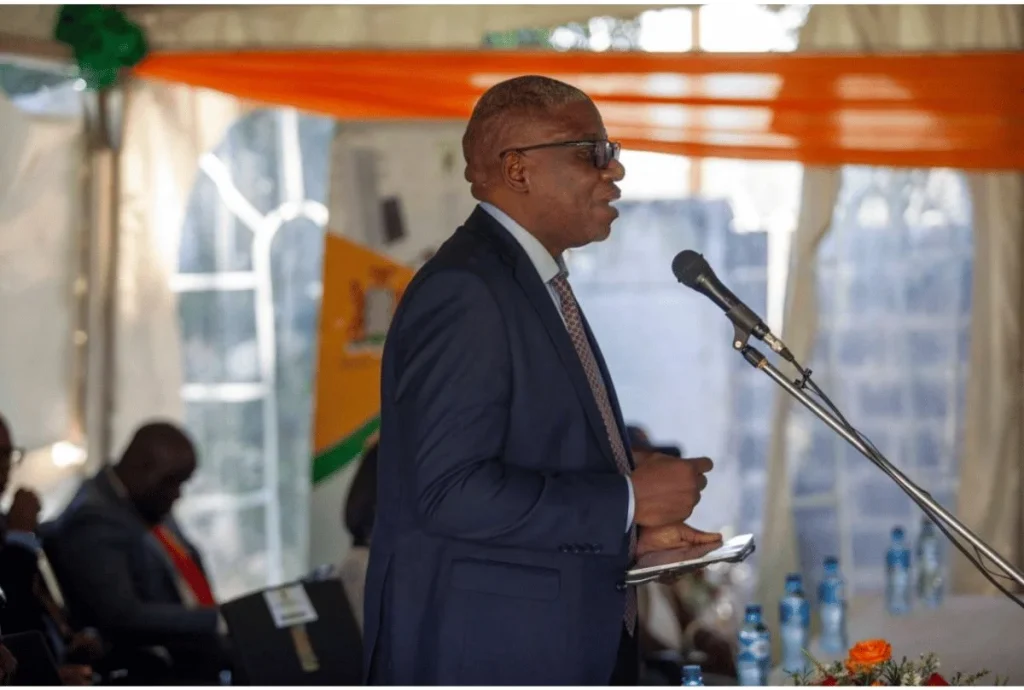
Zambia’s Minister of Technology and Science, Felix Mutati, said the initiative supports the government’s broader education reforms under the leadership of Hakainde Hichilema.
Mutati noted that the government has already expanded access to education through policies such as free education, alongside investments in school infrastructure and teacher recruitment.
He added that artificial intelligence can help bridge learning gaps by enabling personalised education regardless of location, allowing teachers to better understand student learning patterns and tailor lessons to individual needs.
Pilot programme begins April 2026
The pilot programme is scheduled to begin in mid-April 2026, with plans to scale the initiative nationwide if the initial phase proves successful.
Officials say the collaboration will help modernise Zambia’s education system, giving students access to globally competitive learning technologies while preparing them for opportunities in the digital economy.