






Coinbase is laying the groundwork for a major shift in how companies handle money. The crypto exchange is developing infrastructure that allows businesses to create and manage their own dollar-pegged digital tokens, effectively positioning brands as self-contained financial operators.
The system is already undergoing backend testing with USDF, a stablecoin issued by Flipcash, a Zimbabwean startup. Though still under the radar, the development could carry significant consequences, especially for African enterprises operating within fragile or costly banking systems.
Inside Coinbase’s Branded Stablecoin Framework
The model allows companies to issue a custom-branded stablecoin backed by US dollar reserves held by Coinbase. Once issued, the token can circulate within the company’s ecosystem, powering:
- Employee salaries and contractor payments
- Supplier and vendor settlements
- Rewards, incentives, and loyalty schemes
While blockchain provides the rails, the real advantage lies in financial autonomy. Businesses gain direct control over liquidity, value distribution, and yield, functions traditionally handled by banks.
Why African Companies Stand to Gain the Most
Across much of Africa, banking infrastructure remains inefficient and expensive, particularly for firms operating across borders. Accessing US dollars is often difficult, while cross-currency transactions attract high fees and delays.
Branded stablecoins present a compelling alternative:
- Companies can pay wages in internal digital dollars
- Suppliers can receive settlement in the same token
- Cross-border transfers bypass correspondent banking layers
The result is faster settlement, lower FX costs, and reduced exposure to currency volatility, benefits that scale quickly for regional businesses.
Africa’s Growing Appetite for Stablecoins
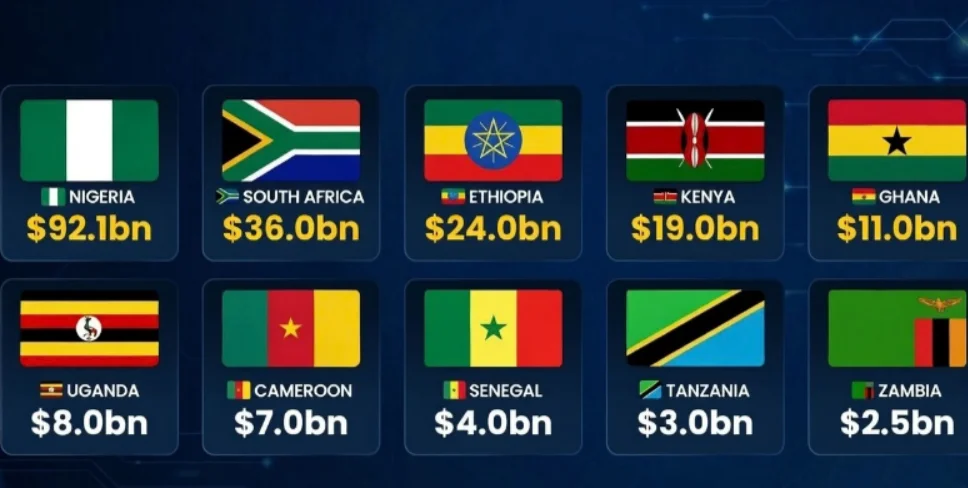
Stablecoin usage is already expanding rapidly across Africa, driven by inflation pressures and the need for reliable dollar exposure. Against this backdrop, company-issued digital dollars represent a natural progression, particularly for firms with strong balance sheets and regional operations.
Rather than holding idle cash in bank accounts with limited returns, businesses can earn yield on balances held in employee or customer wallets. Over time, this could shift significant value away from traditional banks.
Deposit Pressure Mounts for Traditional Banks
The implications for banks are increasingly clear. Standard Chartered has warned that large-scale stablecoin adoption could displace hundreds of billions of dollars in deposits, threatening banks’ core funding models.
As companies retain more float and distribute rewards internally, local and regional banks may see shrinking retail deposits, potentially limiting their ability to extend credit, especially to SMEs that rely on domestic lending.
Regulation and Real-World Frictions Remain
Despite the upside, branded stablecoins raise important questions. Regulators will likely focus on:
- Reserve backing and transparency
- Redemption rights and consumer protection
- Compliance with AML and KYC rules
There are also practical considerations. Tokens locked within a company ecosystem may be efficient, but workers and vendors still need easy conversion to local currency through mobile money, POS agents, and FX gateways.
Without strong last-mile infrastructure, adoption could stall.
Balancing Innovation with Financial Stability
Policymakers face a tightrope: supporting innovation that lowers costs and expands access, while avoiding damage to the banking systems that fund households and small businesses.
For African executives, the appeal is practical. Branded stablecoins can:
- Cut remittance and transaction costs
- Accelerate supplier payments
- Deepen customer engagement
However, they also require advanced treasury management and rigorous compliance discipline.
Hybrid Models Likely to Dominate
In the short term, most companies are expected to adopt hybrid approaches, using private stablecoins for internal transactions while maintaining traditional banking rails for external payments and regulatory alignment.
This is not a sudden overthrow of banks. Instead, it signals a gradual shift in where value is stored and managed.
Coinbase is not introducing a new currency. It is lowering the barriers to issuing money-like instruments. By doing so, it has placed a powerful tool in the hands of companies. Whether that tool reshapes Africa’s financial landscape will depend on regulatory clarity, interoperability, and trust, especially whether users are willing to accept money branded by corporations rather than banks.