





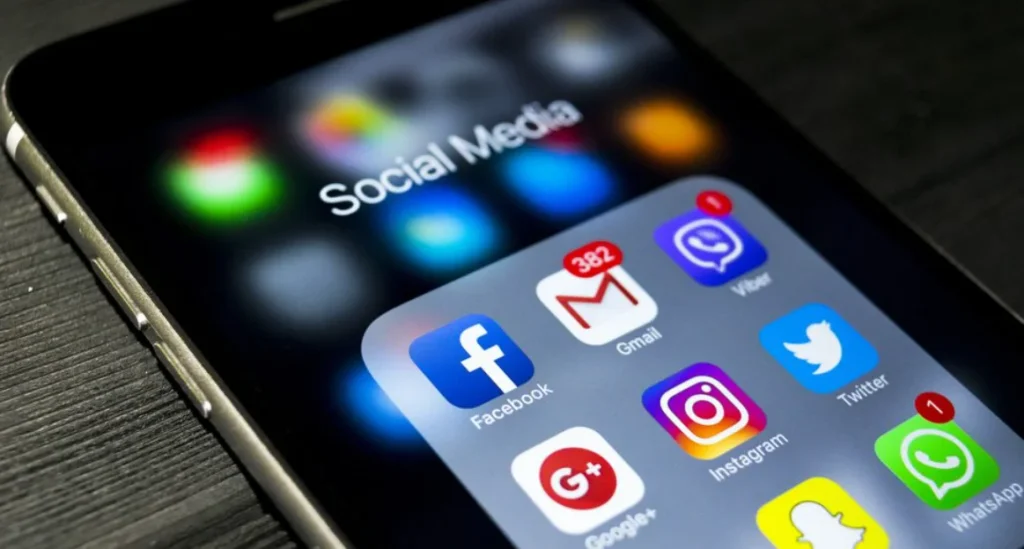
Egypt has taken initial steps toward introducing legislation that would limit or ban social media use by young teenagers, as authorities raise concerns over child safety, harmful online content, and the lack of effective digital controls.
In a statement issued on Sunday, the Egyptian Parliament said lawmakers are reviewing possible regulations to manage children’s use of social platforms and address what it described as an ongoing “digital disorder.”
Presidential Support for Social Media Controls
The proposal has gained backing from President Abdel-Fattah El-Sissi, who has encouraged lawmakers and government agencies to consider legal measures restricting young teens’ access to social media until they reach an age where responsible use is more likely.
The president also urged officials to study international examples, pointing to Australia, which has already enacted a ban, and the United Kingdom, where legislation is being developed to restrict or prohibit children’s access to social networking platforms.
Lawmakers Consult Experts on Child Protection Bill
Parliamentarians said discussions are underway with government institutions and specialist bodies to draft legislation aimed at protecting Egyptian children from online risks that could influence their thinking and behaviour.
According to lawmakers, the proposed law seeks to shield minors from digital environments that are often weakly regulated, difficult for parents to supervise, and increasingly hostile to children.
High Social Media Use Among Egyptian Children
A 2024 study found that nearly half of Egyptians under the age of 18 actively use social media platforms, where they face heightened exposure to harmful material, cyberbullying, online harassment, and scams.
Authorities say the push for regulation is part of broader efforts to remove children from online spaces with a long history of abuse, limited parental control, and rising cases of digital attacks targeting minors.
Egypt Could Set a Precedent in Africa
If approved, the legislation would position Egypt as the first African country to impose a nationwide restriction on young teenagers’ use of social media.
The move reflects growing global anxiety over the effects of social platforms on children’s mental health, safety, and development, with several countries already pursuing similar policies.
Growing Global Push to Limit Teen Social Media Use
In December 2025, Australia became the first nation to formally ban social media access for children under 16, with the law taking effect on December 10. The restriction covers platforms such as Instagram, TikTok, Facebook, and YouTube.
The United Kingdom has also signalled plans to consider banning young teenagers from social media, alongside stricter rules aimed at reducing harmful content exposure and excessive screen time.
In France, President Emmanuel Macron has called for faster legislative action to block social media access for children under 15, with enforcement expected to begin at the start of the next school year in September.
More Countries Eye Similar Restrictions
Several other countries, including Denmark, Malaysia, Norway, South Korea, Spain, and multiple US states, are reportedly considering comparable measures, with potential rollouts planned for 2026.
Debate Over Digital Access and Child Welfare
While social media platforms remain essential tools for communication, learning, and global interaction, critics argue that their impact on minors, ranging from addiction and reduced productivity to misinformation, cyberbullying, privacy breaches, and online fraud, has become increasingly harmful.
Egypt’s proposed move highlights a broader international effort to reassess children’s exposure to social media in an increasingly connected digital age.