





As the Ghana elections wind to an end, Nigerians couldn’t help comparing their electoral process with that of their smaller albeit more democratically acclaimed neighbours. This is especially so given that both the Nigerian election of 2023 and Ghana’s general election were powered by two similar devices that managed to produce widely dissimilar outcomes in each country.
In Nigeria, that device was the bimodal voter accreditation system (BVAS) which failed spectacularly during the presidential election, leading to an election result that continues to be disputed on the back of an election considered one of the worst since the country’s return to democracy in 1999. Nigeria’s electoral commission would explain it away as a technical glitch.
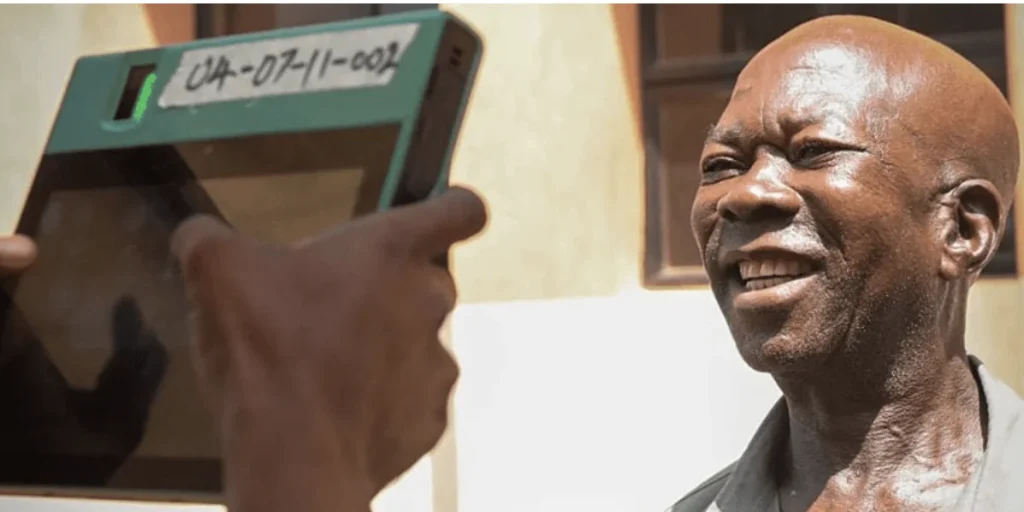
For the Ghana elections, this device is the biometric verification device (BVD) which has been lauded for being responsible for the smooth electoral process.
Speaking on the difference between the applications of the very similar pieces of technology, election analyst and president of the directors guild of Nigeria, Dr Victor Okhai said Nigeria is simply an example of how not to use the technology. Speaking on Arise News Morning Show, Okhai said the difference in the Nigerian case is that “the goat seller will not let go of the rope.”
Ghana elections and its application of BVD
On December 7, over 15 million Ghanaians went to the polls to elect a president and 276 members of parliament. While the collation is still ongoing, the country’s Vice-President and presidential candidate of the ruling New Patriotic Party (NPP) Mahamudu Bawumia, has already conceded defeat to the opposition leader and candidate of the National Democratic Congress (NDC) former President John Mahama.
The Ghana elections were powered by a relatively new piece of technology called the biometric verification device (BVD), and a not-so-new piece of technology called the fax machine.
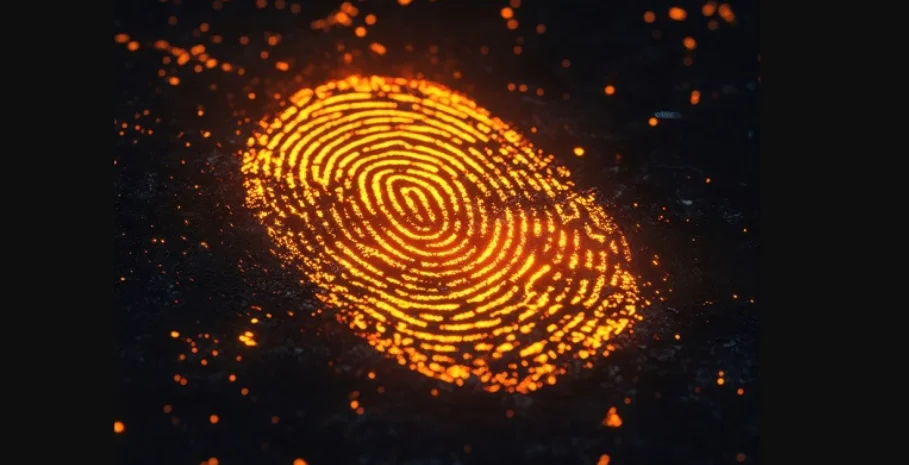
Speaking about how the process works, Ibrahim Faruk, the Africa Program Coordinator of Yiaga Africa, a pro-democracy civic group, said when a voter arrives at a polling station, he or she is first identified as being at the correct polling station. The device is then used to verify them either using their fingerprint or facial recognition.
“And what happens is that when a voter comes and places his or her finger on the biometric voter device, it would either say rejected or verified. And every person in the vicinity of the polling station can hear that voice prompt very clearly and it is a clear indication of the transparency of the process; that a voter who belongs to that polling station is accredited to vote and is able to vote,” Ibrahim said.
Speaking about the collation process, Ibrahim pointed out that the first collation takes place at the polling station level. Here, the result sheets are signed in the presence of the agents, observers and security officials. From there it moves to a regional collation centre where the results of members of parliament are announced. But to get to the national collation centre is where the fax comes into play.
“The results are sent via fax machine from the regional centre to the national collation centre. The copies of the faxed results are shared with party agents, observers, the media etc, at the national collation centre to guarantee transparency. The party agents now have 20 minutes to verify that the results that have come in tally with the results they have been receiving from the field as well,” Ibrahim said.
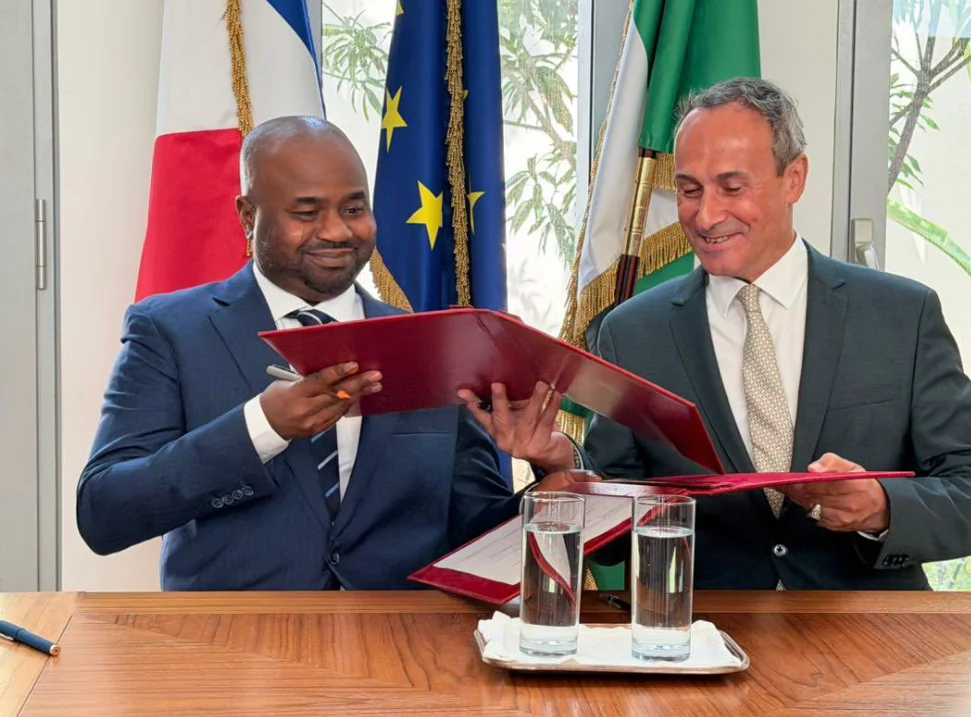
While these technologies have come in handy, one could see that the enabling factor was transparency guaranteed by the system. This transparency of the system has been acknowledged by both local and international observers, including the chairman of Nigeria’s electoral commission, Mahmood Yakubu who was in Ghana as part of an ECOWAS network of electoral chiefs. Nigeria’s electoral chief even noted that Ghana learned from Nigeria.
Reacting to that comment, Dr Victor Okhai, while admitting that that may be the case, said the Ghanaians came, saw how election technology should work and contrary to the Nigerian case, actually made it work. Thus, he is of the opinion that it is Nigeria which has much more to learn from Ghana.
“We need to learn integrity. Right from the top to the bottom. We have BVAS without integrity. If we have gotten the BVAS, let us use it according to specifications. Our politicians will not let it happen. The key thing is integrity. What is happening in Nigeria is a typical case of how not to use the BVAS. Because it is a total abuse of the process,” he finished.