



Nigeria’s digital landscape continues to expand, with the Nigerian Communications Commission (NCC) reporting 142,004,662 internet subscribers as of October 2025. This represents a monthly increase of 1,645,841 users, up from 140,358,821 in September.
Mobile Networks Lead Internet Usage
GSM-based mobile internet remains the dominant access method, accounting for all 142 million subscribers, while other services trail behind:
- Wired/Wireless ISPs: 313,713
- VoIP: 239,672
- Fixed wired services: 73,778
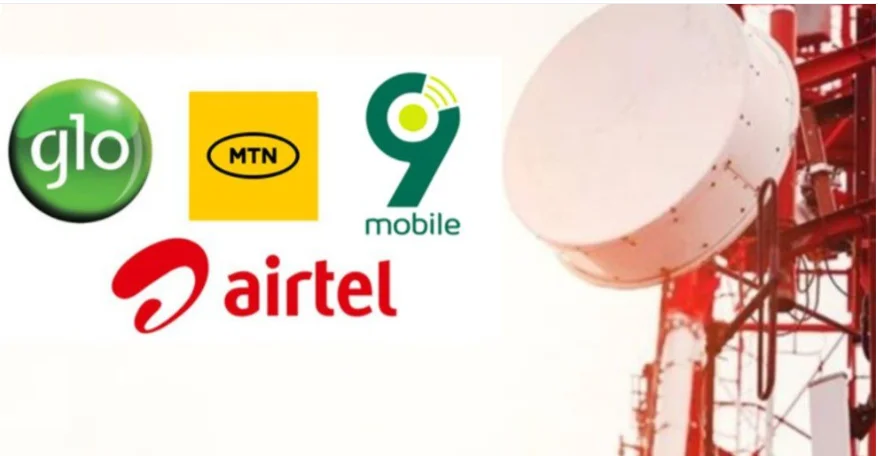
Top Mobile Operators by Subscribers
- MTN Nigeria: 78,149,569 (~60% market share), up 908,798
- Airtel Nigeria: 49,270,318, up 581,324
- Globacom: 13,829,813, up 144,801
- T2 (formerly 9Mobile): 754,962, up 10,918
T2, which suffered losses of over 1.3 million subscribers earlier in 2025, is now showing recovery thanks to a National Roaming agreement with MTN, allowing its users to access MTN’s network in areas with limited coverage.
Broadband Penetration Reaches 49.89%
According to the NCC, broadband penetration climbed to 49.89% in October 2025, up from 49.34% in September, a notable rise of 0.55 percentage points. While this is the highest level recorded so far, it still falls short of Nigeria’s 70% broadband target by year-end 2025.
Project Bridge: $2 Billion Fibre-Optic Expansion
The government is accelerating digital infrastructure development through Project Bridge, a $2 billion initiative to deploy 90,000 kilometres of fibre-optic network nationwide.
Dr Bosun Tijani, Minister of Communications, calls it Nigeria’s largest digital infrastructure project to date. The project will follow a Public-Private Partnership (PPP) model, with the government holding a 25–49% stake, and private investors and institutions like the World Bank and AfDB providing the remainder of funding.
The project’s design features seven regional backbone rings linking all six geopolitical zones:
- Lagos/South West
- South South
- South East
- North Central
- North East
- North West
These rings will ensure network redundancy, low latency, and efficient nationwide data flow, while discussions with Danish investors aim to further boost the project’s scope.
Outlook for Nigeria’s Digital Sector
With mobile internet growth, improved broadband penetration, and large-scale fibre deployments like Project Bridge, Nigeria is steadily advancing toward universal broadband access. The synergy between operator-led expansion and government-led infrastructure projects is expected to strengthen connectivity, attract investment, and accelerate digital adoption across the country.