





Nigeria’s telecommunications sector experienced 118 network disruption incidents in December 2025, based on figures released via the Uptime Portal of the Nigerian Communications Commission (NCC).
The disruptions were attributed to a combination of fibre optic cable cuts, power outages at base stations, bush burning, vandalism, and equipment-related faults, underscoring ongoing vulnerabilities in the country’s telecom infrastructure.
Mobile and Broadband Operators Affected
The service disruptions affected both mobile network operators and broadband internet service providers across the country. Impacted operators included:
- MTN Nigeria
- Airtel Nigeria
- Globacom
- T2Mobile
- Spectranet
- FibreOne
- Layer3
- Tizeti
MTN Nigeria Tops Outage Chart
Operator-level data shows that MTN Nigeria recorded the highest number of outages, accounting for 64 disruption cases nationwide during the month.
This was followed by:
- T2Mobile: 18 outage incidents
- Spectranet: 15 outage incidents
Other operators recorded fewer but still notable disruptions across different regions.
Power Failures and Fibre Cuts Dominate Causes
According to NCC data, power-related failures at telecom tower sites were the leading cause of service interruptions, responsible for 59 outage cases in December 2025.
These power issues were linked to:
- Diesel supply disruptions
- Unstable public electricity supply
- Failures in backup power and transmission systems
Fibre optic cable cuts were the second-largest contributor, accounting for 48 disruption incidents during the month.
Other recorded causes included:
- Bush burning: 5 cases
- Vandalism: 1 case
- Equipment failure: 1 case
- Other factors: 4 cases
Rising Trend in Fibre Cuts and Infrastructure Damage
The December figures align with a broader pattern of escalating damage to telecom infrastructure nationwide.
In October, the NCC disclosed that 19,384 fibre optic cable cuts were recorded between January and August 2025. Over the same period, the industry also reported:
- 3,241 incidents of equipment theft
- More than 19,000 cases of denied access to telecom sites, leading to prolonged outages
Additional NCC data released in August showed:
- Over 1,100 fibre cuts
- 545 access denial incidents
- Nearly 100 theft-related cases
Impact on Economy and Essential Services
Repeated damage to telecom infrastructure has resulted in significant financial losses for operators and frequent service interruptions nationwide.
These outages directly disrupt critical sectors, including:
- Banking and digital payments
- Healthcare services
- Education and e-learning platforms
- Security and emergency response systems
Telecom Assets Classified as Critical National Infrastructure
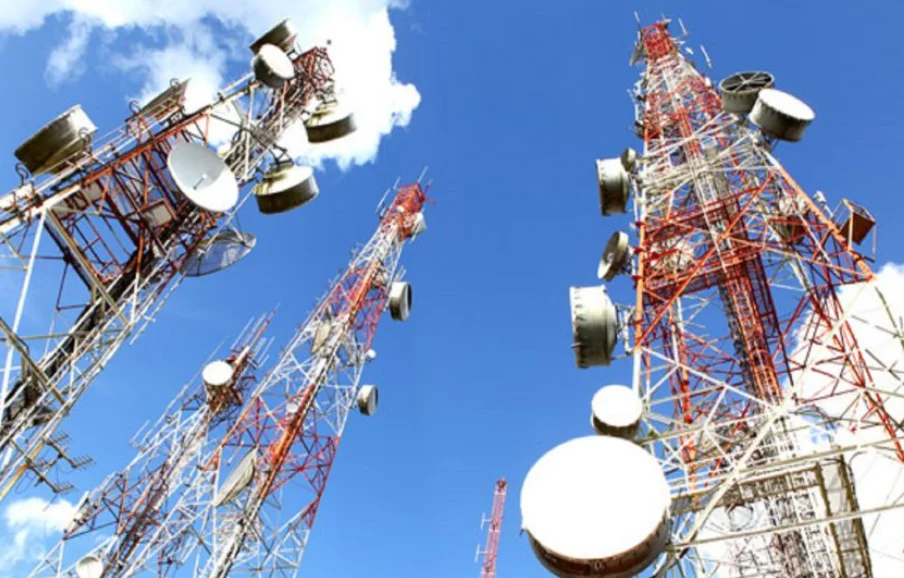
Telecom assets, such as towers, fibre routes, base stations, and data centres, have been designated as Critical National Information Infrastructure (CNII) by the government.
Despite this classification, the NCC notes that these facilities continue to face threats from vandals, thieves, and uncooperative host communities.
NCC Uptime Portal Enhances Industry Transparency
The NCC said outage data published on the Uptime Portal is derived from mandatory reports submitted by telecom operators.
Launched in May 2025, the platform requires operators to log all major service disruptions. It is publicly accessible on the NCC’s website and aims to improve transparency while helping authorities track and address infrastructure sabotage.
New Consumer Notification Rules for Outages
Under updated compliance directives, telecom operators are now required to:
- Notify consumers of major service outages
- Clearly state the cause and affected locations
- Provide estimated timelines for service restoration
Operators must also inform subscribers at least one week in advance of any planned maintenance or network upgrades.
According to the NCC, these measures are part of broader efforts to strengthen national security, enhance economic stability, and protect everyday digital services relied upon by Nigerians.