




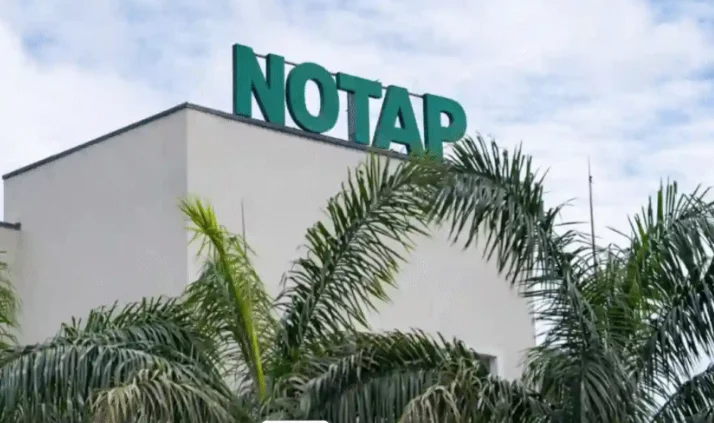
Nigerian software developers have surpassed $1 million in revenue from applications developed locally and sold within Nigeria and across other African markets, the National Office for Technology Acquisition and Promotion (NOTAP) has revealed.
The disclosure was made by NOTAP’s Director-General, Dr. Obiageli Amadiobi, during an interview with the News Agency of Nigeria (NAN) in Abuja.
According to her, the milestone demonstrates the commercial potential of Nigerian innovation when supported by focused policy and institutional backing.
NOTAP’s Role in Driving Commercial Success
Amadiobi attributed the growth in local software sales to targeted interventions by NOTAP, particularly in the areas of:
- Developer capacity building
- Intellectual property (IP) protection
- Market access and commercial linkages
She explained that many developers previously struggled to scale their ideas into viable products due to a lack of early intellectual property protection.
Whether it is a literary creation, a laboratory invention, or a digital product, transforming an idea into a working solution requires time, expertise, and commitment,” she said.
“An innovator may identify a solution to a real problem, invest months refining it, and achieve success; it is only fair that such a creation is patented and owned by its creator.”
Why Intellectual Property Protection Matters
The NOTAP Director-General cautioned that failing to protect intellectual property leaves Nigerian innovations vulnerable to misuse.
“Without proper protection, another party can replicate the work, register it under their own name, and gain legal control over something created with Nigerian talent,” she said.
Revenue Breakdown from Local Applications
Amadiobi disclosed that the $1 million revenue was generated from more than 50 Nigerian-built applications, with individual developers earning between $5,000 and $80,000.
Notable solutions contributing to the figures include:
- A digital health platform with approximately 750,000 users across six states
- An agritech marketplace linking smallholder farmers directly to buyers
- An edtech solution currently used by 200 schools to enhance learning outcomes
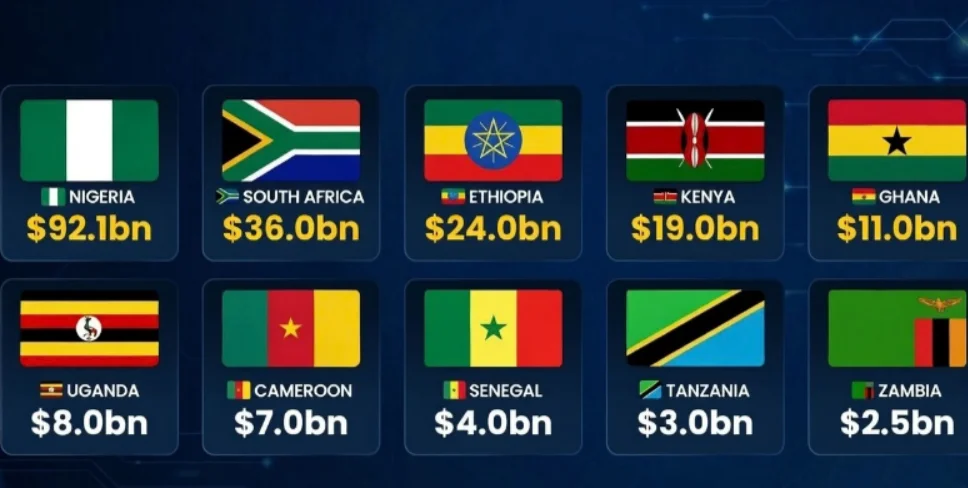
She added that nearly 60% of total revenue came from sales in other African countries, underscoring strong regional demand for Nigerian software products.
Plan to Double Software Revenue by 2027
Looking ahead, Amadiobi said NOTAP is targeting a two-fold increase in local software sales by 2027. Priority sectors include:
- Financial technology
- Renewable energy and power management
- Climate and environmental technology
Piracy and Counterfeiting Still a Major Challenge
Despite the progress, Amadiobi identified digital piracy and content duplication as persistent threats to growth within the ICT ecosystem.
“From cloned software applications to copied digital content on platforms like TikTok, unauthorised replication continues to undermine creators,” she said.
“Young innovators often watch their original ideas get rebranded and monetised by others within a short time.”
She noted that many digital creators remain unaware that their content and products are eligible for intellectual property protection.
Local Vendor Policy Strengthening Domestic Capacity
Amadiobi said these challenges shaped NOTAP’s multi-layered support strategy, with the Local Vendor Policy playing a central role. Under the policy, foreign technology companies operating in Nigeria are required to:
- Collaborate with local tech firms
- Channel part of their technical service fees to Nigerian vendors
She explained that the policy has helped Nigerian developers transition from supporting multinational firms to building independent, competitive products.
Developers who were primarily providing backend services three years ago, she said, are now producing homegrown solutions capable of competing across Africa and beyond.