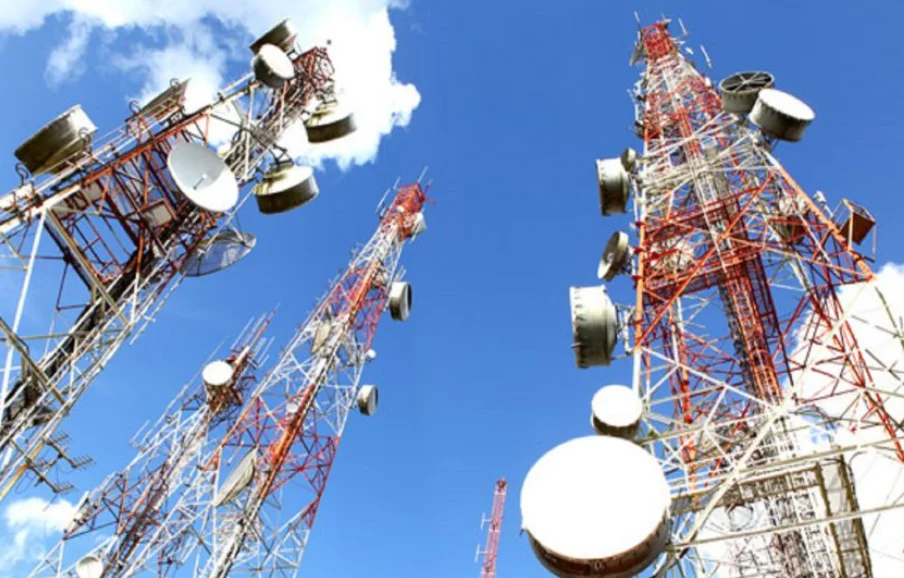







Nigeria’s telecommunications sector, one of the key engines of the country’s digital economy, closed 2025 with a blend of progress and persistent challenges, including network expansion, rising broadband usage, and repeated service disruptions.
With more than 177 million active subscribers, consumers are entering 2026 hopeful for noticeable improvements in network stability, internet speed, and overall service experience across voice and data services.
Reliable telecom infrastructure remains vital for everyday activities such as digital payments, business operations, messaging, streaming, and general internet access.
Higher Tariffs Drive Demand for Better Service
Following the 50% increase in telecom tariffs approved in 2025, subscribers intensified calls for improved value, particularly in terms of reduced data exhaustion, clearer calls, and consistent internet performance.
For Mobile Network Operators (MNOs) and Internet Service Providers (ISPs), sustained infrastructure investment and affordable pricing have become unavoidable expectations as customers seek justification for the higher costs.
Broadband Penetration Passes 50% Threshold
By the end of 2025, broadband penetration reached 50.58%, surpassing the halfway mark for the first time, according to the Nigerian Communications Commission.
Despite this milestone, the sector fell short of the 70% target outlined in the National Broadband Plan (2020–2025), largely due to slow fibre deployment, infrastructure vandalism, and unstable power supply.
4G Leads Market as 5G Adoption Remains Gradual
Industry data shows that by December 2025:
- 4G technology accounted for nearly 60% of mobile connections
- 2G usage declined to 38.29%, reflecting a gradual migration
- 5G penetration reached 3.60%, indicating early but slow growth
The strong presence of 4G underscores increased smartphone adoption and internet usage. A June 2026 report by The African Exponent estimated Nigeria’s internet penetration at 85%, driven by population size and widespread smartphone ownership.
Projections suggest that around 140 million Nigerians owned smartphones by the close of 2025.
Network Speeds Improve Amid Growing Usage Pressure
Between December 2024 and December 2025:
- Median 4G download speeds rose by 25%, from 16 Mbps to 20 Mbps
- Average 4G download speeds increased by 18%, from 28 Mbps to 33 Mbps
The NCC noted that 4G accounts for 52% of mobile broadband connections nationwide, reinforcing its role as Nigeria’s primary broadband access technology.
Internet subscriptions climbed to 144.7 million, despite a mid-year dip to 138.7 million in July 2025.
Fibre Cuts and Vandalism Continue to Disrupt Services
Service reliability remained a major concern in 2025. According to the NCC:
- 19,384 fibre cuts were recorded between January and August
- 3,241 incidents of equipment theft occurred
- More than 19,000 cases of denied site access led to prolonged outages
MTN Nigeria revealed it suffered 760 fibre cuts in July 2025 alone, with total incidents reaching over 13,700 within 18 months, significantly affecting network performance.
NCC Promises Stronger Quality of Service in 2026
In a New Year address, NCC Executive Vice Chairman Aminu Maida reiterated the Commission’s commitment to improving Quality of Service (QoS).
He said the regulator will intensify QoS monitoring in 2026 to ensure clearer calls, more reliable data connections, and improved customer care.
The NCC also pledged closer collaboration with the Office of the National Security Adviser and the Nigerian Security and Civil Defence Corps to safeguard telecom infrastructure nationwide.
Industry Experts Expect Gradual Improvements
During a discussion hosted by Technext on X Space, industry stakeholders expressed optimism about network improvements in 2026.
Abioye Tomiwa, Regional Manager at ZTE, said operators are actively upgrading core network systems and infrastructure.
“These upgrades are being carried out in phases. From what we’re seeing, service quality is already improving in some areas, and more Nigerians should notice better performance before the year ends,” he said.
Outlook for 2026
As Nigeria enters 2026, expectations remain high for fewer outages, stronger networks, and better internet reliability. While challenges persist, ongoing infrastructure upgrades, stricter regulations, and enhanced security coordination could help deliver a significantly improved telecom experience for millions of Nigerians in the year ahead.