





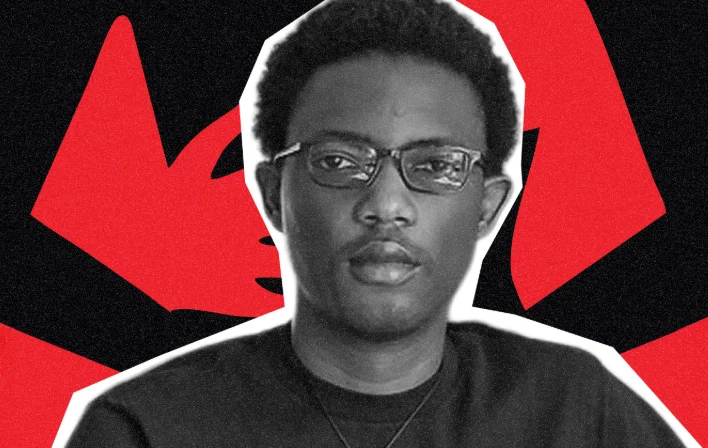
Paystack, the Stripe-owned Nigerian payments company, has suspended its co-founder and Chief Technology Officer, Ezra Olubi, following an allegation of sexual misconduct involving a subordinate. The allegation began circulating online on Wednesday, November 12, 2025, prompting widespread discussion across Nigeria’s tech ecosystem.
The company confirmed the suspension to TechCabal, stating that a formal investigation has been launched in line with its internal governance processes.
Paystack Confirms Suspension, Announces Investigation
“Paystack is aware of the allegations involving our Co-founder, Ezra Olubi,” the company said in an official statement. “As of Thursday evening, November 13, 2025, Ezra has been suspended from all duties and responsibilities pending a formal investigation.”
The company added that its board is appointing an independent third-party investigator to ensure a fair, thorough, and confidential review.
“To protect the integrity of this process, we will not be commenting further until the investigation is complete,” the statement read.
TechCabal reached out to Olubi for comment but received no response as of the time of publication.
Old Tweets Resurface, Amplifying Scrutiny
As the allegation gained traction online, dozens of decade-old tweets posted by Olubi between 2009 and 2013 resurfaced. The tweets include sexually explicit comments about colleagues, descriptions of erections during office meetings, references to photographing a coworker’s thighs, and posts involving minors and sexualized anime characters.
One widely circulated tweet from May 23, 2011, read: “Monday will be more fun with an ‘a’ in it. Touch a coworker today. Inappropriately.”
These resurfaced tweets, posted years before Olubi co-founded Paystack, intensified public concern and led to renewed debate about workplace ethics and expectations for behavior from senior technology leaders.
Olubi deactivated his X (formerly Twitter) account on Thursday, November 13, 2025, and has not publicly addressed either the allegation or the resurfaced tweets.
A Tech Ecosystem Confronting Repeated Misconduct
The incident comes during a period in which African tech ecosystems have been forced to confront multiple cases of workplace misconduct involving prominent leaders.
In October, Oscar Limoke, CEO of Kenyan IT firm Pawa IT Solutions, was fined by the country’s Employment and Labour Relations Court after sexual harassment and assault allegations led to a staff resignation.
These recurring incidents have sparked urgent conversations about governance, accountability, and the responsibility of tech companies to maintain safe workplaces—especially when accusations involve senior leadership.
Why This Case Matters: Paystack’s Influence and Global Ties
Founded in 2015, Paystack is one of Africa’s most influential technology companies. Its $200 million acquisition by Stripe in 2020 remains one of the continent’s biggest tech exits. Paystack’s alumni network spans fintech, logistics, and digital infrastructure across Africa.
Because of its size, reputation, and global visibility, the handling of Olubi’s case is being closely watched.
Industry observers say the situation raises critical questions about:
- How high-trust, high-visibility companies respond to allegations involving top executives,
- What structures exist for reporting misconduct internally,
- How consistently companies uphold publicly stated values, especially relating to transparency, kindness, and workplace safety.
TechCabal also contacted Stripe, Paystack’s parent company, for comment. No response was received at the time of publication.
Paystack Reaffirms Commitment to Safe Workplace Culture
In a follow-up statement, Paystack said:
“In line with our internal policies, we have established a fair, transparent, and structured review process to conduct a thorough investigation. This process is guided by our policies, our values, and our commitment to maintaining a safe and respectful environment for all employees.”
As the investigation proceeds, Nigeria’s tech community, and the global fintech industry, will be watching for the outcome and its implications for leadership accountability in high-growth startups.