





Nigeria’s telecommunications industry has shed 383 jobs in one year, as operators battle soaring operating expenses, according to the Nigerian Communications Commission (NCC).
The NCC’s 2023 and 2024 Year-End Performance Reports reveal that total staff strength dropped from 17,882 employees in 2023 to 17,499 in 2024, reflecting job cuts across key segments including GSM, ISP, and VAS providers.
Operating Costs Surge by 85.35%
In the same period, telecom operators recorded a massive spike in operating costs, rising from N3.16 trillion in 2023 to N5.85 trillion in 2024.
The NCC attributed this jump to several factors:
- Rising energy costs
- High inflation
- Foreign exchange volatility
- Multiple fees from state and local governments
- Persistent Right-of-Way charges despite waivers in some states
According to the Commission, operators consistently complained about the harsh macroeconomic environment and cost pressures affecting daily operations and long-term planning.
GSM, ISP, and VAS Operators Record the Largest Job Cuts
A breakdown of telecom employment data shows:
- GSM operators: 7,212 → 6,658
- ISPs: 5,589 → 5,473
- VAS providers: 813 → 713
- Fixed-line operators: 268 → 272 (increase)
Two categories recorded gains:
- Collocation & Infrastructure Sharing: 1,574 → 1,751
- Others: 2,426 → 2,632
Despite these gains, they weren’t enough to offset workforce reductions in the GSM, ISP, and VAS segments.
Subscriber Base Drops Sharply After NIN-SIM Enforcement
The job cuts occurred amid a steep decline in active voice subscriptions following the enforcement of the NIN-SIM linkage policy.
- Active subscriptions: 224.7 million (2023) → 164.9 million (2024), down 26.61%
- Teledensity: 103.66% (2023) → 76.08% (2024)
The NCC explained that the decline was due to:
- Removal of SIMs not linked to verified NINs
- Correction of a major reporting discrepancy by a mobile operator
- Population projection adjustment by NPC (216 million baseline)
CAPEX Increases Despite Falling Subscriber Numbers
Despite losing millions of subscribers, operators massively increased capital expenditure:
- CAPEX: N990.55 billion (2023) → N2.90 trillion (2024)
This rise was driven by:
- Higher cost of imported network equipment due to FX pressures
- New network expansion and upgrades
Infrastructure additions in 2024 include:
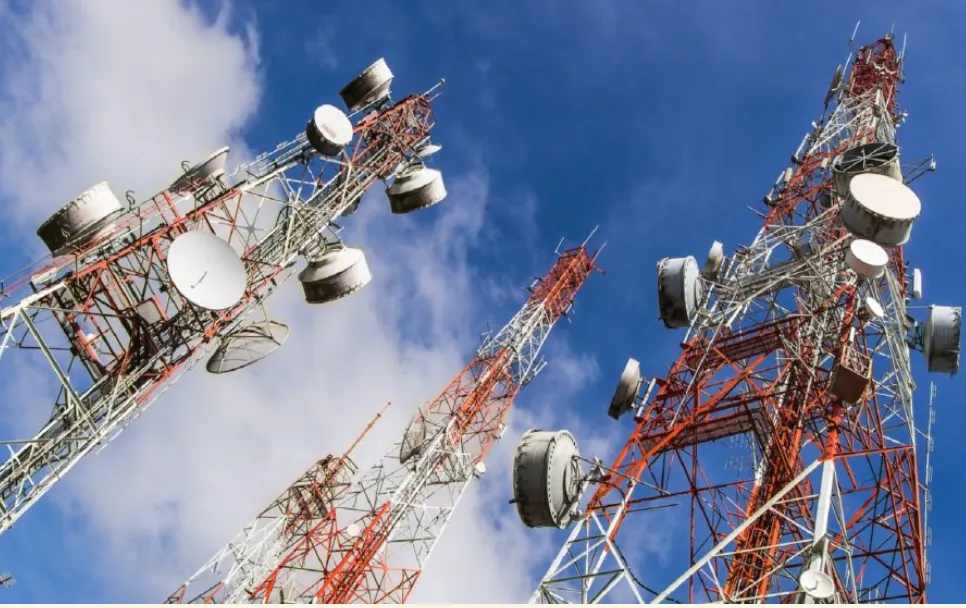
- Towers: 39,356 → 39,880
- Base stations: 137,992 → 145,141
- Expanded fibre deployments
Revenue Grows but Cost Pressures Persist
Industry revenue surged from N5.30 trillion in 2023 to N7.67 trillion in 2024, a 44.70% increase. However, operators say rising costs, particularly for diesel, power, forex, and multiple taxes, continue to strain profitability and complicate capacity expansion.
Telecom Sector’s GDP Contribution Improves
The telecom sector contributed 14.40% to Nigeria’s GDP in Q4 2024, slightly higher than the 14% recorded in Q4 2023.
With the upcoming GDP rebasing, the NCC expects the digital economy’s contributions to be captured more accurately.