





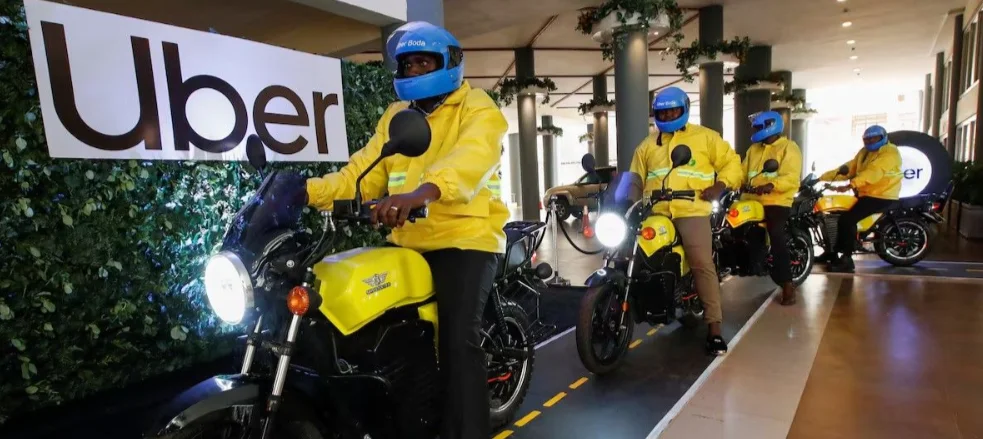
Uber is exploring the introduction of electric bikes (e-bikes) to its rapidly expanding Moto service in South Africa, responding to growing demand for low-cost, fast, and reliable two-wheel transport across major metropolitan areas.
The company said it is currently analysing how electric bikes could complement its existing motorcycle fleet, which has seen strong growth over the past year as more commuters turn to motorcycles for affordable short-distance travel.
Uber Moto Continues to Gain Popularity in Dense Urban Areas
Uber Moto, designed as a cost-effective alternative to traditional ride-hailing, has experienced steady adoption in townships and high-density neighbourhoods. The service has become a preferred option for short trips such as errands, market visits, and local commuting.
According to Uber’s South Africa team, several electric bike models are being tested internally to assess their impact on:
- Service dependability
- Pricing consistency
- Trip availability
E-bikes, the company noted, could significantly reduce operating expenses and make Moto rides even more accessible to everyday users.
Potential Advantages of Switching to Electric Bikes
Introducing e-bikes into Uber’s fleet could unlock several key benefits:
Lower Operational Costs
Electric bikes demand less maintenance and eliminate fuel costs, enabling Uber to expand its fleet more efficiently while reducing long-term expenses.
Stable and Predictable Pricing
Because e-bikes are not affected by fluctuating petrol prices, they could help keep rider fares steady, even during periods of fuel volatility.
Greater Driver Efficiency
Drivers could enjoy fewer breakdowns, fewer fuel stops, and lower maintenance interruptions, boosting overall trip availability during peak demand periods.
Challenges Ahead for Large-Scale Deployment
Despite the benefits, Uber must navigate several challenges before electric bikes can be rolled out widely. Key factors under consideration include:
- Placement of charging hubs and battery-swap points
- Financing options to help drivers purchase e-bikes
- Battery life and range limitations
- Road safety standards for electric two-wheelers
- Training for riders on maintenance and battery handling
South Africa’s limited two-wheel charging infrastructure remains a major obstacle to immediate deployment.
A Boost for Short Trips and Urban Mobility
If launched, e-bikes could strengthen short-distance mobility in urban areas where motorcycle taxis are already well accepted. A broader shift toward electric mobility could also support city goals related to:
- Reducing emissions
- Lowering noise levels
- Improving traffic flow in congested areas
No Confirmed Launch Date Yet
Uber has not issued a rollout timeline but stated that internal reviews and stakeholder consultations are ongoing. The company continues to evaluate how e-bikes could fit into its wider mobility strategy in South Africa.
With demand for affordable transport solutions increasing, an electric Moto fleet could mark a significant step forward for the country’s two-wheel mobility landscape.