

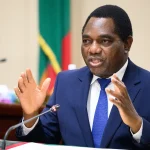




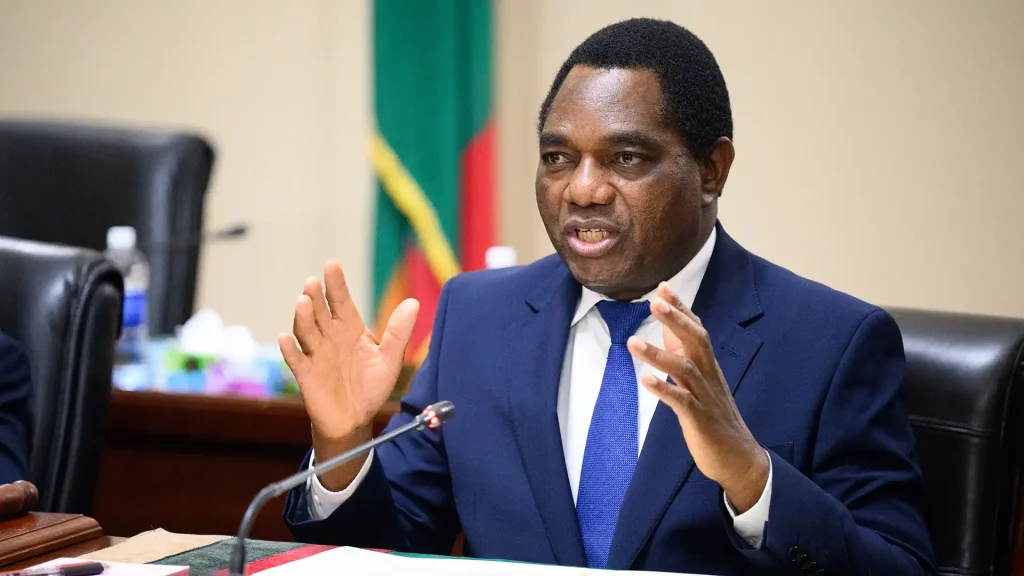
Hakainde Hichilema has reaffirmed his administration’s commitment to expanding digital financial inclusion following a high-level engagement with the Payments Association of Zambia at State House.
The meeting underscored the growing influence of mobile money operators in advancing Zambia’s Digital Financial Services Agenda, particularly in bridging the gap between formal banking systems and underserved populations.
Mobile Money Driving Inclusion
Members of PAYZ highlighted how mobile money platforms have become critical tools for bringing unbanked and underbanked citizens into the formal financial system. By enabling access to basic services such as payments, savings, and transfers, the sector has significantly improved financial access across rural and low-income communities.
The engagement also spotlighted the role of mobile money in deepening economic participation, with millions of users now relying on digital wallets for everyday transactions.
Job Creation and Youth Empowerment
President Hichilema acknowledged the sector’s broader economic impact, particularly its contribution to employment and entrepreneurship. He noted that mobile money agent networks have created thousands of micro-business opportunities, especially for young people, helping to drive grassroots economic activity.
Government Backs Digital Finance Growth
The discussions reinforced the government’s position of treating the mobile money ecosystem as a strategic partner in national development. Authorities signaled continued collaboration with industry players to promote innovation, strengthen regulatory frameworks, and expand digital infrastructure.
As Zambia accelerates its transition toward a digital economy, the partnership between government and mobile money operators is expected to play a central role in fostering inclusive growth, enhancing financial access, and unlocking new economic opportunities nationwide.